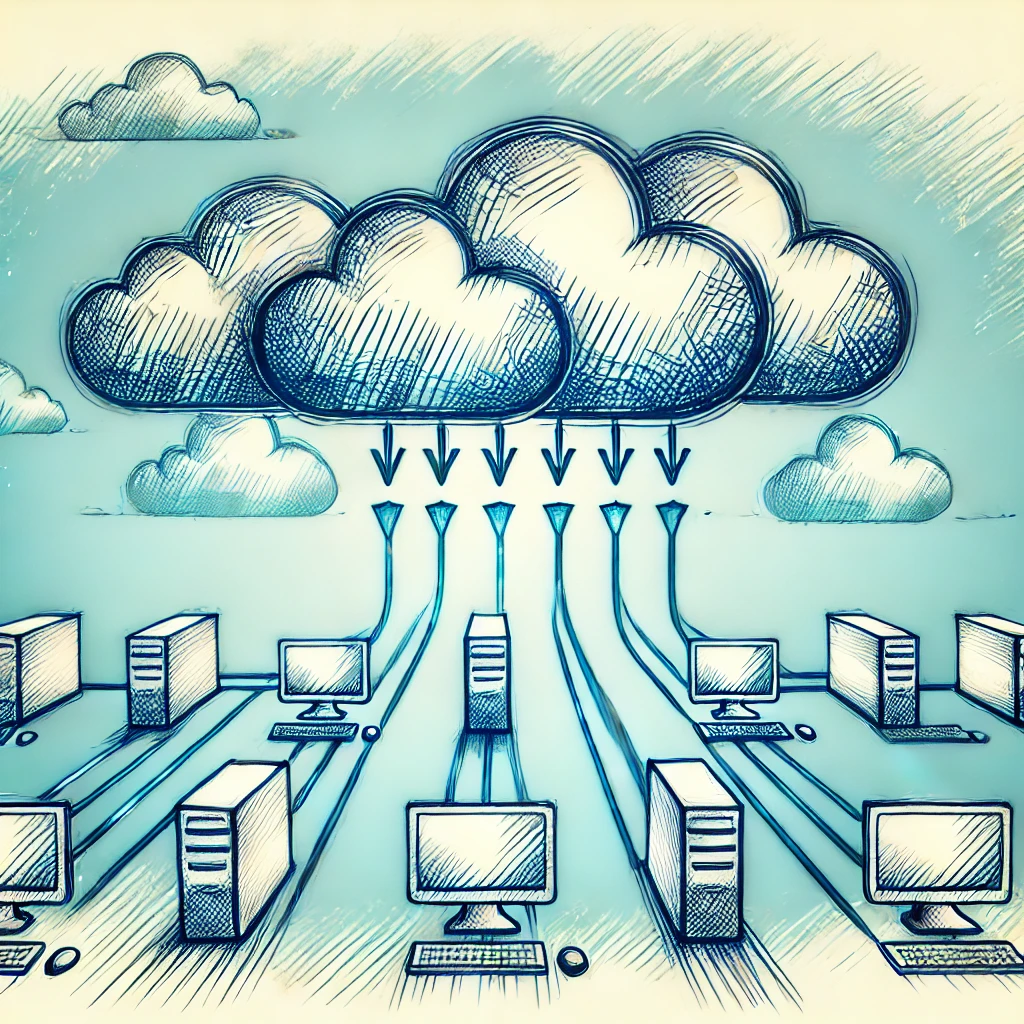
Understanding Proxy Servers: Types and Their Applications
Introduction
In the modern age of the internet, proxy servers play a crucial role in enhancing privacy, improving performance, and enabling access to restricted content. Whether you're a tech-savvy individual or a casual internet user, you've likely encountered the term "proxy" (that is why you are reading this blog). This blog post aims to demystify proxies, explore their various types, and explain their diverse applications.
What Is a Proxy IP?
A proxy acts as an intermediary IP between your device and the internet. When you send a request to access a website, the request is first routed through the proxy server, which then forwards it to the destination. The server then retrieves the response and sends it back to you. This process masks your original IP address, offering an additional layer of security and anonymity. Moreover, proxies can cache frequently accessed data, improving load times for websites and reducing bandwidth usage.
How Do Proxies Work?
Proxy servers operate as a gateway between you and the internet. They intercept your requests, modify or encrypt them if necessary, and then forward them to the destination server. The destination server only sees the proxy's IP address, not your real one. Proxies can also bypass restrictions, such as blocking specific websites or monitoring user activity.
Types of Proxies
Proxy servers come in various forms, each tailored for specific purposes, so let's throw some defenitions here, so we are all on the same page:
Residential Proxies
Residential proxies use IP addresses assigned to physical devices, such as personal computers or mobile phones. These proxies mimic real users, making them difficult to detect and block. They are highly effective for web scraping, accessing restricted content, and conducting SEO research.
Mobile Proxies
Mobile Proxies are a type of residential proxies. The differentiating feature there is that they have an LTE connection. They are the hardest to detect and block, but they are also the most expensive. They are used for the same purposes as residential proxies.
Data Center Proxies
Data center proxies originate from data centers rather than physical devices. They are known for their speed and affordability but are easier to detect compared to residential proxies. Data center proxies are commonly used for accessing geo-restricted content and automating repetitive tasks.
Shared Proxies
Shared proxies are used by multiple users simultaneously. They are cost-effective but may experience slower speeds due to shared bandwidth. These proxies are suitable for light usage tasks like accessing region-specific content. Both Data Center and Residential proxies can be shared.
Dedicated Proxies
Dedicated proxies are assigned to a single user, ensuring better speed and reliability. These are ideal for tasks that require high performance and security, such as managing multiple social media accounts or running large-scale scraping operations.
Rotating Proxies
Rotating proxies change the IP address assigned to your connection after each request or session. This feature makes them highly effective for tasks requiring anonymity, such as data scraping and ad verification.
SOCKS Proxies
Socsks proxies ate taking the nick-name from a data transfer protocol, socks. SOCKS proxies operate at a lower level compared to HTTP proxies, meaning they can handle various types of traffic, such as email, video streaming, and gaming. They are highly versatile but may require additional configuration.
Why Use a Proxy?
In the business world, companies utilize proxies to conduct market research, verify advertisements, and monitor competitors anonymously. Content delivery networks (CDNs) leverage proxy servers to efficiently deliver content to users across the globe. In education and research, students and researchers rely on proxies to access restricted academic resources and perform experiments that require anonymity. For individuals, proxies are a valuable tool to safeguard online privacy and prevent tracking by advertisers or other entities.
Enhanced Privacy
By masking your IP address, proxies help protect your identity and browsing habits.
Access to Geo-Restricted Content
Proxies allow you to bypass regional restrictions and access content from anywhere in the world.
Improved Network Performance
Proxies can cache data and optimize traffic, reducing load times for frequently visited websites.
Security Against Cyber Threats
Proxies act as a buffer, filtering out malicious content and blocking suspicious activity.
Anonymity for Web Scraping
Businesses often use proxies to scrape data anonymously and avoid being flagged or banned by websites.
Conclusion
Proxy servers are powerful tools that offer a wide range of benefits, from enhancing privacy to enabling large-scale data collection. By understanding the different types of proxies and their applications, you can make informed decisions to optimize your online experience. Whether you're a business looking to gain a competitive edge or an individual seeking greater online freedom, proxies can help you achieve your goals efficiently and securely. And, dare I say, try out our proxies.